
USARK Action Alerts - MD, AL and TX
By Cindy Steinle · August 8, 2026
A few new action alerts have hit USARK's page that may impact reptiles owners that we wanted to share here! If this impacts you, be sure to check the links!



By Cindy Steinle · August 8, 2026
A few new action alerts have hit USARK's page that may impact reptiles owners that we wanted to share here! If this impacts you, be sure to check the links!
By Cindy Steinle · July 15, 2026
A new action alert has come out from our friends at USARK regarding Diamondback Terrapins and potential Endangered Species listings. From the action alert:

By Cindy Steinle · May 27, 2026
Despite almost a year long battle with keepers, the Wisconsin Department of Natural Resources moved ahead on ban of all native species with an exception on only three color variants. This does include captive bred species, as well as a variety of color morphs. There is also a ban in place now on turtle and frog races, which is probably the only truly good things here. A few things of note from the new rules:
NR 16.01 (2m) “Color variant” means any of the following atypical native amphibians and
reptiles of any age class:
(a) Individuals, regardless of species, that are:
1. Tyrosinase-negative albino (light pink or yellow body with red eyes).
2. Fully melanistic animals (entirely black).
3. Piebald (10% or more of the animal is pure white).
(b) Gophersnakes and milksnakes that are patternless.
....
(2) POSSESSION RESTRICTED. No Beginning on January 1, 2027, no person may take from the
wild or possess any live or dead native amphibians or reptiles or their eggs, except as provided under
sub. (3) and s. NR 19.26, or turtles taken under the authority of ss. NR 19.275, 21.13 and 22.13. Any live
native wild reptiles or amphibians possessed before January 1, 2027, must be registered with the
10
department in a manner determined by the department on or before June 30, 2027. Any native wild
reptiles or amphibians not registered with the department on or before June 30, 2027, will be presumed to
be in violation of this chapter.

By Cindy Steinle · April 25, 2025
Late last session, Rep Betty McCollum (MN) introcuded a bill to " “To amend the Animal Welfare Act to include cold-blooded species as animals, and for other purposes.” That bill died with the close of the last session, but this week she reintroduced as HR2976 and we can only guess that it will have the same wording. The nitty gritty from the USARK Web Alert is:
This bill, which should be identical to last session’s introduction, adds reptiles, amphibians, fish, and cephalopods as “animals” under the Animal Welfare Act (AWA), meaning the U.S. Department of Agriculture (USDA) must develop new regulations. Basically, the USDA would now be required to license and inspect facilities and breeders with these animals. Businesses would need to comply with the new USDA regulations. The USDA began inspecting and licensing aviculturists (bird breeders) in 2024 (for new licensees). The bill has been assigned to the House Agriculture Committee. We will post more information when available.
By Cindy Steinle · March 11, 2025
There is an update to the proposed South Carolina Venomous Ban. The meeting is being held next week. This is a proposed STATEWIDE ban. From the USARK update:
This bill is scheduled to be heard by the Wildlife Subcommittee on Wednesday, March 19th at 12:30 PM. The location is: Blatt Building Room 409, 1105 Pendleton St, Columbia, SC 29201. Written testimony should be emailed to EllieHayes@schouse.gov. You can also email to register to speak. Send another comment even if you have already done so, and any stakeholders should attend the hearing to oppose in person. Read the agenda at https://www.scstatehouse.gov/agendas/126h15107.pdf
By kingsnake.com · February 7, 2025
As expected, likely in response to the irresponsible owner with the Taipan who was bitten in 2024, the state of South Carolina is now proposing a state wide venomous Ban. They are including a grandfather clause for current owners who can register their animals and receive permits within 90 days of the law going into effect. There are exemptions included for research facilities and zoos as well. The proposed banned list is:
Venomous reptiles banned, including hybrids: families Elapidae, Crotalidae, Viperidae, and Hydrophiidae; all reptiles in the genus Heloderma; all reptiles in the family Colubridae belonging to the genera: Rhabdophis, Balanophis, Macropisthodon, Boiga, Dispholidus, Thelotornis, and Thrasops, and all reptiles in the family Atractaspididae.
By Cindy Steinle · January 9, 2025
In 2016 the US Fish and Wildlife Service published a temporary rule on 201 Salamander species and as of this January that rule is finalized. The 201 species covering 16 genre are now listed as injurious under the Lacey Act meaning they no longer can be imported into the country or transport or sold across state lines in the US. From the USARK Alert:
The interim rule applies to all species in these 16 genera: Ambystoma, Andrias, Aneides, Aquiloeurycea, Calotriton, Chiropterotriton, Cryptobranchus, Desmognathus, Ensatina, Eurycea, Laotriton, Ommatotriton, Pachytriton, Proteus, Pseudobranchus, and Pseudotriton. ... Comments on the interim rule regarding newly added species can be made after January 10, 2025, for 60 days (deadline March 11) at https://www.federalregister.gov/public-inspection/2024-31203/injurious-wildlife-species-listing-salamanders-due-to-risk-of-salamander-chytrid-fungus. Find the original Salamander Rule species list (201 species in 20 genera) at https://www.fws.gov/page/list-of-salamanders-designated-as-injurious.
By Cindy Steinle · November 19, 2024
In a move that will shock no one, the first what we can assume will be many laws relating to the Leibowitz/Taipan bite case has happened. Florence, S.C. has released new proposed exotics laws that impact more than reptile owners. From the USARK Action alert the proposed banned reptile portion is:
Crocodilians twelve (12) inches or larger; Large, dangerous, or potentially invasive constricting snakes including reticulated pythons, python reticulatus; urmese/Indian rock pythons, python molurus; rock pythons, python sebae, and anacondas, eunectes murinus (green anacondas); Venomous/poisonous reptiles, amphibians, or serpents;
By Cindy Steinle · February 12, 2024
USARK has issued an absolutely terrifying action alert for Arizona that all animal owners need to be aware of. Please spread the word far and wide. There are almost two identical senate bills being introduces which allow for warrentless search of private property and immediate seizure of animals without cause. What does that mean? USARK explains:
Remember, warrants protect us from unreasonable governmental intrusion. As if that is not bad enough, the bills would make it so that, “The formal rules of evidence do not apply and reliable hearsay is admissible in the postseizure hearing.” Please read that last sentence again! “The formal rules of evidence do not apply and reliable hearsay is admissible…” First, the formal court rules are tossed out the window. This means that the due process that typically exists in court does not apply. Additionally, hearsay is generally inadmissible in court unless a special exception is provided because it is not considered reliable or trustworthy. If this bill passes, hearsay will be good enough for the seizure and State possession of animals in Arizona. Needless to say, this goes against our constitutional rights as Americans.
By Cindy Steinle · December 29, 2023
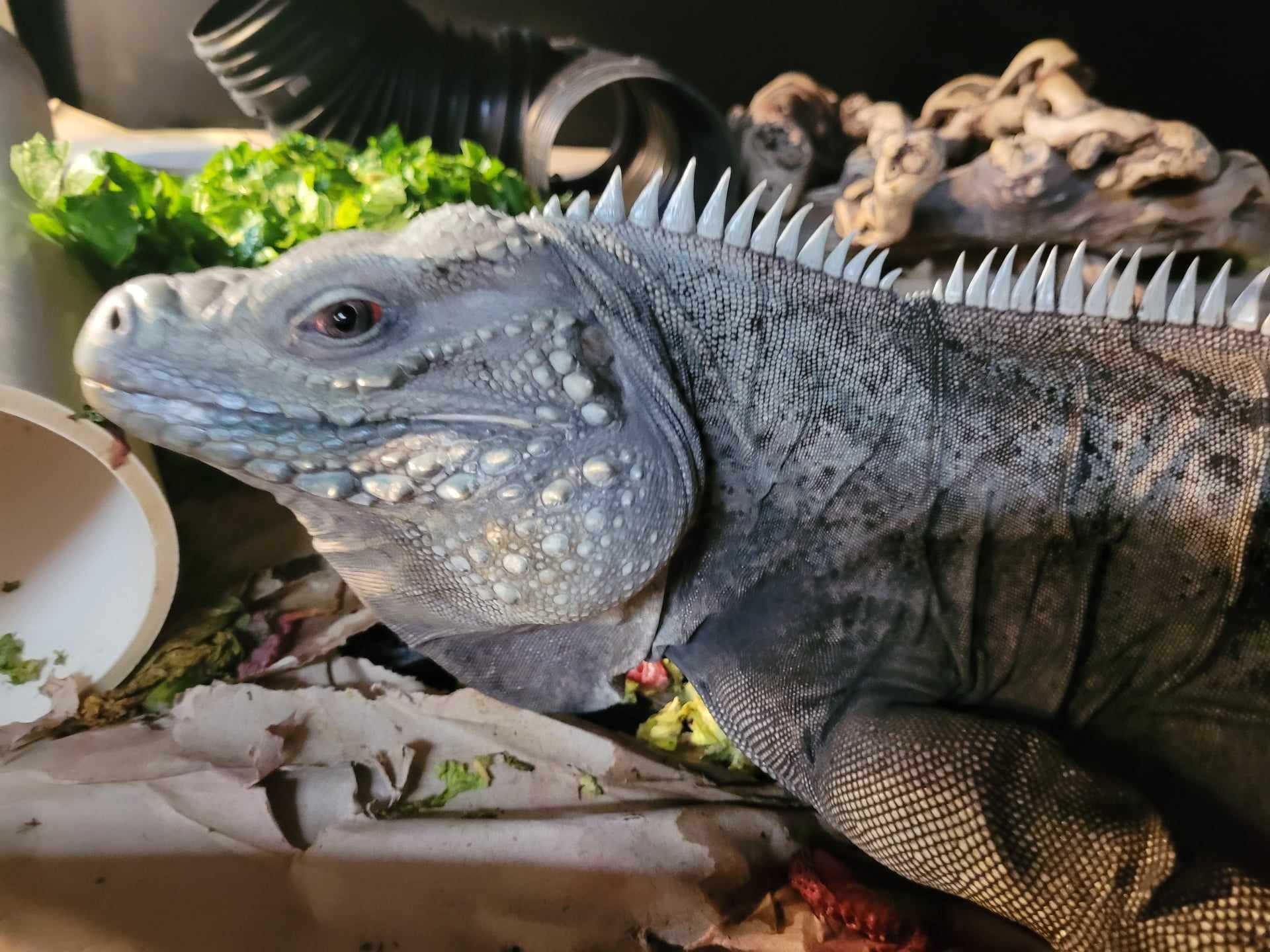
Photo of Gideon, a Grand Cayman hybrid bred by Ty Parks in FL, but living his best life safe in WIsconsin - Cindy Steinle
Recently, the State of Florida deemed all Green Iguanas (Iguana Iguana) as a restricted species and created quite a stir, confiscating animals from even private zoos and killing the animals rather than allowing them to be rehomed or allowed to remain on display at the zoo. Now in a move to destroy the reptile industry further, Florida Fish and Wildlife is making the move to change the language from Iguana (Iguana Iguana) to simply Iguana. This would thus include all species including Cyclura and Ctenosaura most definitely but potentially all species under the family Iguanidae which would also include Amblyrhynchus, Brachylophus, Cachryx, Conolophus, Dipsosaurus, and Sauromalus as well.
By Cindy Steinle · April 11, 2023
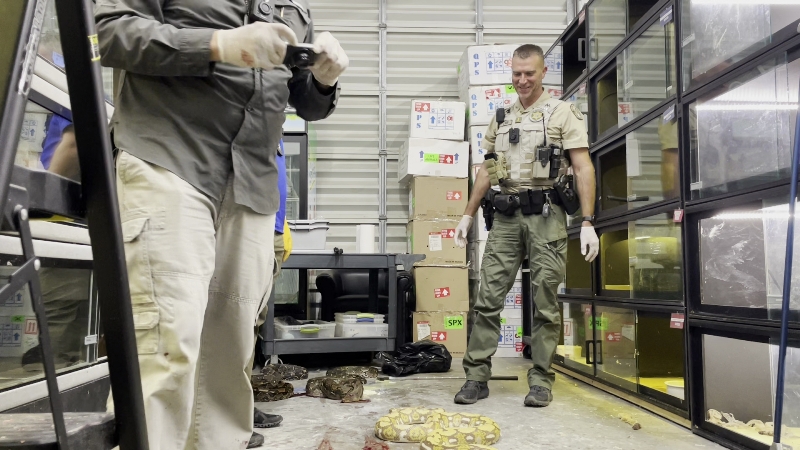
An FWC officer smiles as he surveys the scene after the killing of 34 pythons and a pregnant pet boa by FWC officers (Photo by Chris Coffee, who has granted permission for this photo to be published and disseminated) In 2021, Florida changed their ownership laws but promised that pet owners were able to keep their animals for the lifetime of the animals. Breeders stopped breeding and started moving animals out of fear of repercussions. Animals that were legally owned under a "Conditional Species Permit" were now considered illegal, however according to FWC, they were grandfathered in for the rest of their lives and could live out their lives in their current homes.
"I want to make sure the public's aware that if you currently own one of these reptiles, you're allowed to keep it until it's death. So no one is telling you you have to get rid of your pet or euthanize it and no one from the state is going to take it from you." Rodney Barreto , Chairman - Florida Fish and Wildlife Conservation Commission - Public commission meeting February 25, 2021 "Their pets are their pets and they are going to continue to be their pets and we made sure that it was very clear." - Mike Sole, Former Vice Chairman - Florida Fish and Wildlife Conservation Commission, Public commission meeting February 25, 2021

By kingsnake.com · October 6, 2022
A new ordinance is looking at being passed in Sioux City, IA that limits all animals in a household to three. Typically in the past these types of laws applied solely to dogs and cats, but the city restructured the definition of domestic animals and it applies to almost everything. From the USARK Action Alert:
Sioux City is taking steps to severely limit the number of animals that can be owned by its residents by redefining the term domestic animal (which currently only includes dogs and cats). As redefined, it would include most animals and limit the number per household to no more than three pets in total. This ban narrowly passed its first reading (3-2) so not all Council members approve of this legislative abuse. Local residents must voice their opposition immediately as the next reading and vote are scheduled for Monday, October 10. ... The only pets excluded from this new ban would be hamsters, guinea pigs, and fish. It would be legal to have 300 hamsters but illegal to have three crested geckos or three lovebirds. Regardless of the species, the numbers assigned to these “pet limits” are completely arbitrary and capricious with no logical or scientific grounds to argue the merit. One person may responsibly and humanely care for seven dogs while another person may not be able to responsibly have one dog. The problem is isolated to the bad owners and not how many pets people have. Punishing responsible animal owners by claiming it will stop irresponsible actions by others is bad government at its finest through collective punishment.
By kingsnake.com · July 30, 2022
In yet another victory on behalf of the reptile community by USARK, the changes to the Lacey Act hidden deep in the America COMPETES act in the "CHIPS-Plus" bill have been removed! For months USARK lobbied and members of the reptile community contacted their representatives and it worked! For now, there will be no changes to the Lacey Act. From USARK:
We have been posting relevant updates on our main alert here (scroll down). To be brief, the “CHIPS-Plus” bill that passed in the Senate passed the House on 7/28 (243-187 vote). This bill includes some of the technology initiatives included in the America COMPETES Act, USICA, and other bills. The portions of COMPETES that were not germane to the intent of the bill (including the bad Lacey Act amendments) were not added to the CHIPS-Plus package. This should be the end of any threat from these Lacey Act amendments for this Congressional session.
By kingsnake.com · July 11, 2022
New changes to state law could impact some keepers in Alabama. The state however has opened a comment period until August 4th where you can lodge objections. Some of the more important changes to be aware of:
-Makes all king snakes (Lampropeltis spp.) and hybrids illegal to own, breed, and sell without a scientific collection permit or permit from the Commissioner. Currently, only Eastern, prairie, and black “speckled” king snakes are listed. -Makes it illegal to own more than one box turtle (all Terrapene spp.) or sell/trade a box turtle without a scientific collection permit or permit from the Commissioner. -There are other new rules including, but not limited to, additional protected nongame species and Eastern diamondback rattlesnake regulations.
By kingsnake.com · July 8, 2022
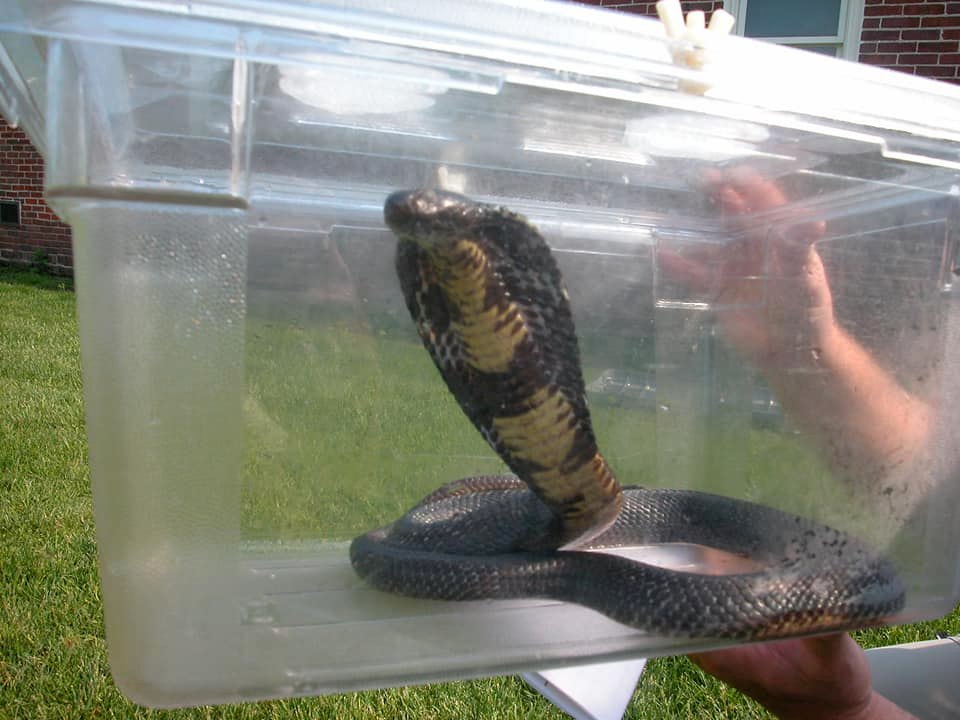
Although it does include a grandfather clause for current owners, the new law passed this week in Raleigh, NC is quite restrictive. Spurred on by a viral loose spitting cobra last year, the city council passed a new law banning
Under the ordinance, keeping a pet from a species considered a “dangerous wild animal” will be prohibited within city limits. A “dangerous wild animal” is considered by the city to be “any non-domesticated animal, which is normally found in the wild state, is inherently dangerous to person or property, and which generally does not live in or about the habitation of humans.” The city’s definition includes “medically significant snakes.” The city defines those as any snake whose venom can cause death, serious illness, or injury. It also includes snakes whose venom would require emergency room care or immediate care of a physician.



Help, tips & resources quick links
Manage your user and advertising accounts
Advertising and services purchase quick links
